
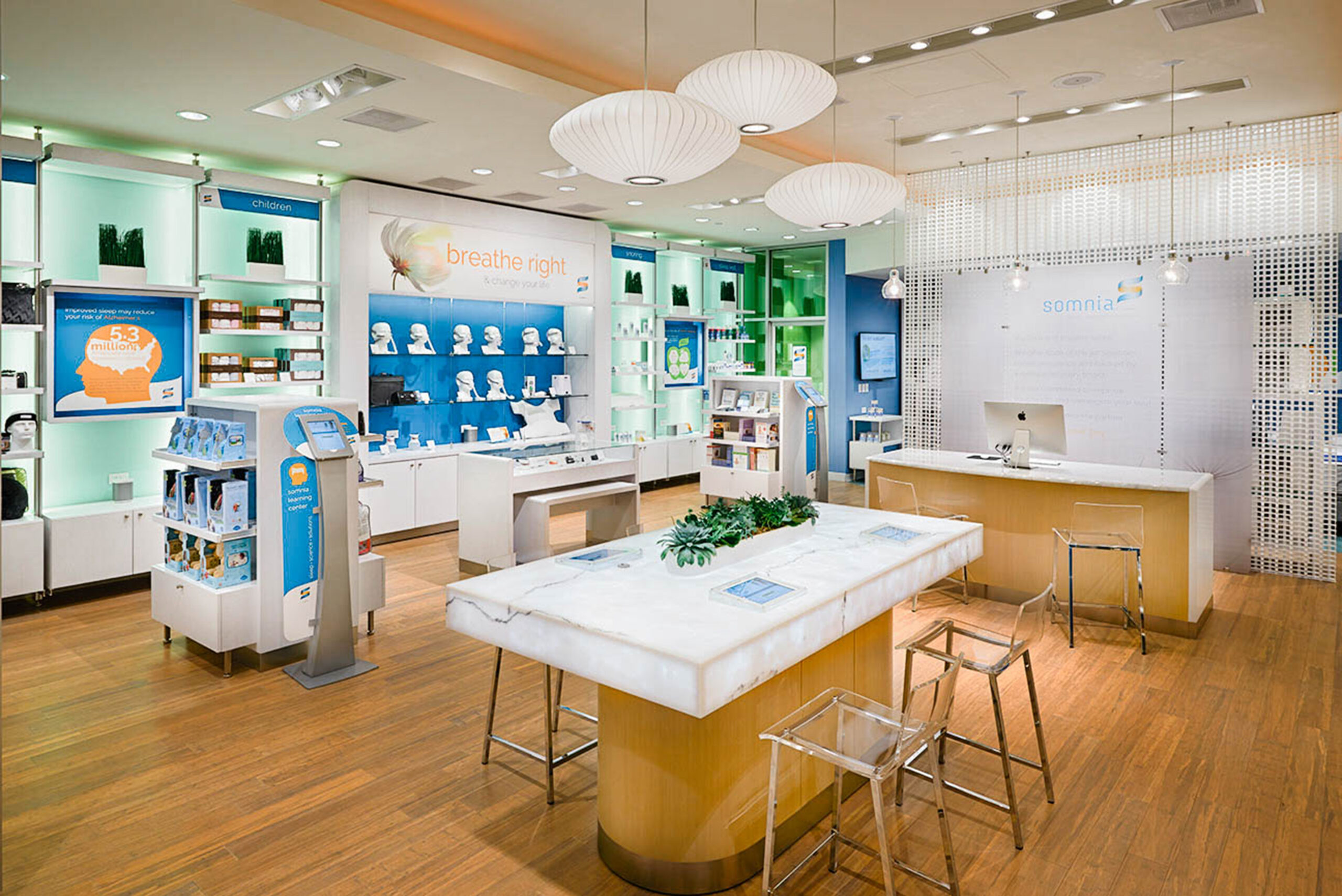
In retail, design decisions have a direct impact on revenue. The fixtures that support your merchandise influence how customers move through a space, what they notice first, and how long they stay engaged. When retail fixtures are thoughtfully designed and expertly fabricated, they become powerful tools for driving sales—not just functional components of the store.
For national brands and independent retailers alike, well-executed fixtures help maximize space, elevate merchandise, and reinforce brand identity, all while standing up to daily use in high-traffic environments.
Making the Most of Every Square Foot
Space is valuable. Strategic fixture design allows you to do more with your footprint. Custom fixtures can open floor space, create vertical merchandising opportunities, and turn underutilized areas into high-performing displays.
Thoughtfully built millwork, casework, and solid surface elements help retailers present more product without overwhelming the shopper. Instead of cluttered counters or crowded aisles, fixtures guide customers through the space in a way that feels intentional and easy to navigate, encouraging them to stay longer and explore more.
Fixtures Shape the Shopping Experience
Retail fixtures directly influence how customers experience your store. An organized, visually appealing environment builds confidence and makes shopping effortless. Fixtures help define focal points, highlight featured merchandise, and create natural pauses where shoppers are more likely to engage with products.
Custom-fabricated displays can also reflect the personality of the brand. From sleek, minimal fixtures in a modern boutique to durable, high-capacity displays in a flagship location, the right materials and finishes reinforce brand standards while supporting daily operations.
Choosing Fixtures That Work as Hard as You Do
Every product category has different demands, and fixtures should be designed to meet them. Apparel, accessories, specialty items, and high-touch products all require different approaches to display, storage, and accessibility.
When selecting fixtures, retailers should consider:
- Functionality: How products are stocked, accessed, and maintained
- Durability: Materials that withstand constant use without sacrificing appearance
- Flexibility: Fixtures that can adapt to seasonal resets or evolving merchandise
- Aesthetics: Finishes and forms that align with brand identity
Custom fabrication allows these factors to work together, rather than forcing a compromise between form and function.
Optimizing Displays to Encourage Purchases
Once fixtures are in place, how they’re used matters just as much as how they’re built. Effective displays draw the eye and invite interaction. Clear product groupings, strong sightlines, and intentional lighting all help merchandise stand out.
Fixtures near checkout areas or along key traffic paths are especially powerful for driving add-on and impulse purchases. Small-format displays, feature shelving, or branded casework can turn transitional spaces into revenue-generating moments.
Subtle cues—like limited-quantity displays or featured collections—can also create urgency, encouraging shoppers to act rather than browse.
Performance-Driven Fixtures at Any Scale
Effective retail fixtures do more than look good on opening day. They support consistent performance over time, across locations, and through changing merchandising needs. Well-built fixtures improve customer experience, reduce operational friction, and help brands maintain consistency whether they’re opening one store or rolling out hundreds.
Wisconsin Built partners with retailers to fabricate fixtures that are built for sales—combining functionality, flexibility, and finish quality at scale. From one-off feature installations to nationwide rollouts, the goal is the same: deliver fixtures that arrive ready to perform and help merchandise do what it’s meant to do—sell.