
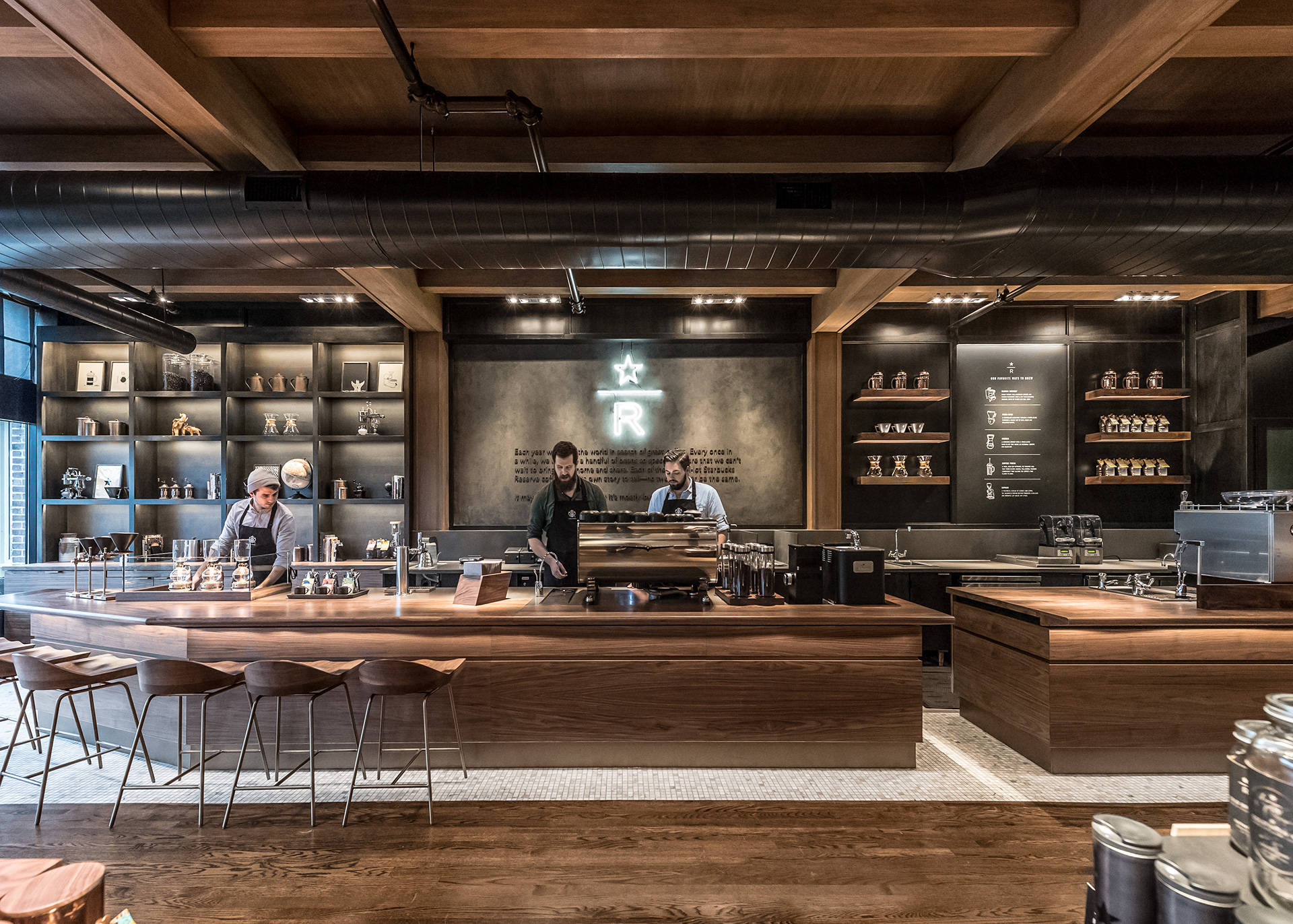
In commercial spaces, every material selection has an impact on the finished project. Choosing the right materials helps ensure the final product meets design expectations and practical needs.
One of the most common decisions in architectural millwork and custom casework is whether to use solid wood or wood veneer. Each material offers distinct advantages depending on the project. Here’s what to consider when deciding between solid wood and veneer.
Understanding the Difference
Solid wood fixtures are crafted from a single species of natural wood. It offers authentic grain patterns, natural character, and may be refinished over time.
Wood veneer consists of a thin layer of real hardwood applied to an engineered core, such as plywood or medium density fiberboard (MDF). Because the visible surface is genuine wood, veneer delivers the appearance of solid wood while providing additional stability and flexibility in many commercial applications.
When Solid Wood Makes Sense
Solid wood is often selected when durability, craftsmanship, and long-term value are top priorities.
Some advantages include:
- Exceptional strength and longevity
- Natural beauty with unique grain characteristics
- Ability to be sanded and refinished if damaged
- Timeless appearance that develops character over time
Solid wood is frequently used for exposed trim, decorative features, statement pieces, and areas where natural wood characteristics become part of the design.
Because wood naturally expands and contracts with changes in temperature and humidity, it requires thoughtful engineering and proper installation. So, it also typically carries a higher material cost than veneer.
Where Veneer Excels
Veneer has become a preferred choice for many commercial interiors because it balances appearance and performance.
Benefits of veneer include:
- Consistent grain and color across large surfaces
- Greater dimensional stability with less movement over time
- More efficient use of natural wood resources
- Lower material costs for many applications
- Ideal for large panels, cabinetry, wall systems, and architectural millwork
High-quality veneer is virtually indistinguishable from solid wood to the average observer, when manufactured properly. It allows for a clean, cohesive appearance across an entire space while helping projects stay within budget.
Factors to Consider
Some key factors to consider when choosing a material for your application:
Project budget: Veneer often provides a cost-effective solution for larger installations, while solid wood may be worth the investment for feature elements.
Design goals: If consistency across multiple panels is important, veneer offers excellent visual uniformity. If natural variation is part of the desired aesthetic, solid wood may be the better choice.
Maintenance expectations: Solid wood can often be refinished if damaged, while veneer typically requires different repair methods if the surface is compromised.
A misconception is that projects must choose exclusively between solid wood or veneer. The reality is that many successful commercial projects use both. Combining materials strategically allows designers and contractors to maximize performance and value without sacrificing aesthetics.
The Wisconsin Built Approach
Wisconsin Built works alongside architects, designers, and general contractors to recommend materials that support the project’s goals. With in-house architectural millwork, custom casework, metal fabrication, and advanced manufacturing capabilities, we deliver solutions that are built for performance.
Whether a project calls for solid wood, veneer, or a thoughtful combination of both, our focus remains the same: building quality solutions that fit the space, perform for the long term, and help bring every vision to life.
Contact us to get your project started!