
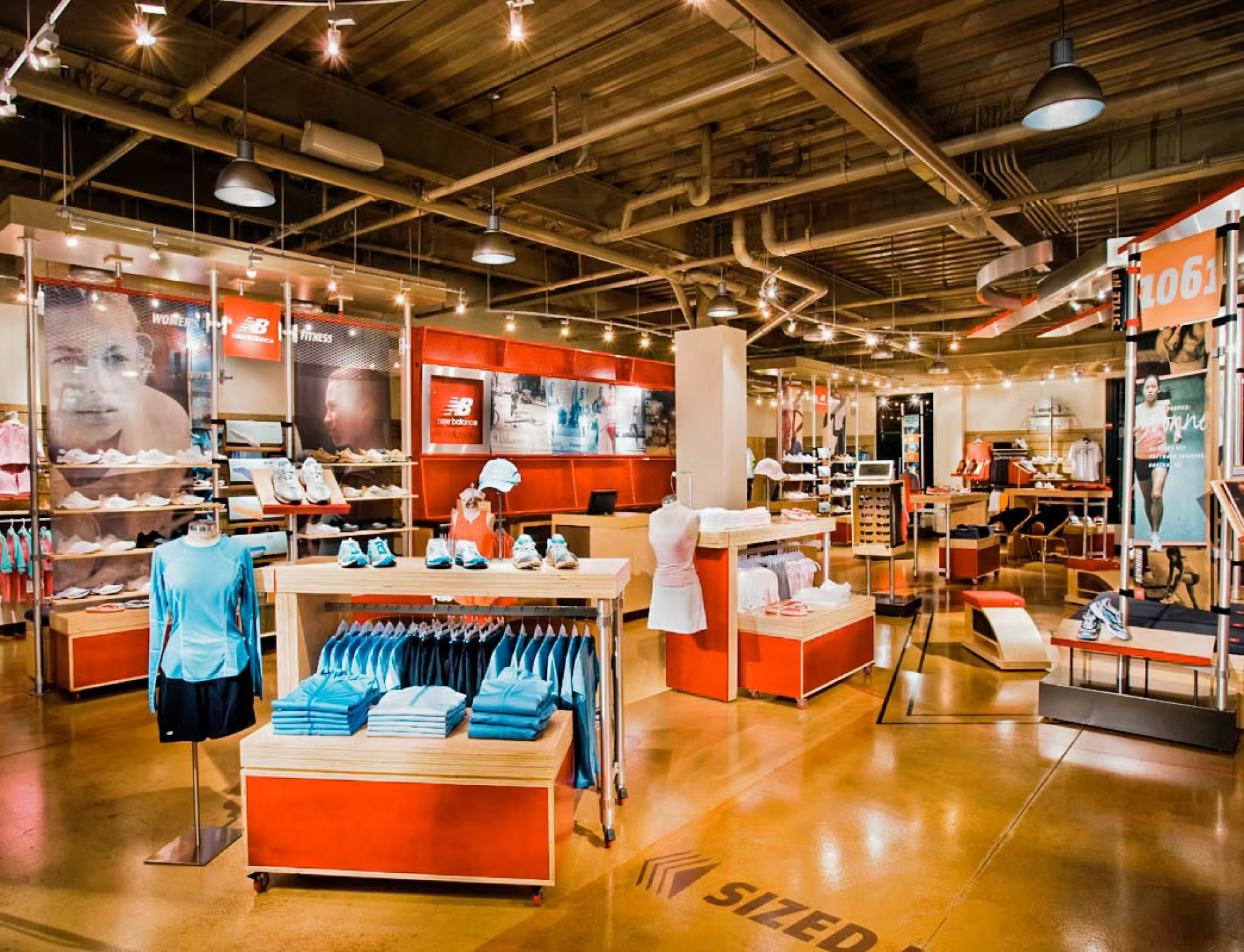
In retail and commercial environments, custom millwork supports daily operations, reinforces brand standards, and withstands constant use. Maintaining millwork is essential to protecting both the visual impact of space and the long-term value of the investment. With the right approach, well-built millwork can continue performing at a high level long after installation.
Start with Consistent, Preventative Care
High-traffic environments demand a proactive maintenance routine. Dust and debris may seem minor, but over time they can wear down finishes and dull the appearance of fixtures, casework, and display elements. Regular, gentle cleaning helps preserve the original look while preventing buildup that can lead to more intensive maintenance later.
For retail teams, this can be built into daily or weekly store procedures. For general contractors managing multi-site projects, recommending simple maintenance protocols to clients helps ensure millwork continues to perform as intended post-installation.
Use the Right Cleaning Methods for the Material
Not all cleaning products are created equally, and in commercial settings, using the wrong solution can quickly compromise finishes. Harsh chemicals or heavy-duty cleaners may degrade protective coatings, leading to premature wear in high-touch areas like checkout counters, display shelving, and service stations.
Instead, non-abrasive cleaning methods and material-appropriate products help maintain both durability and appearance. Just as important, avoiding excess moisture ensures wood elements remain stable and free from long-term damage.
Control the Environment to Protect the Build
Environmental factors play a major role in the longevity of millwork, especially in spaces with fluctuating conditions. Changes in humidity can cause wood to expand and contract, which over time may lead to warping, joint separation, or visible wear.
Retailers operating in varied climates benefit from maintaining consistent interior conditions. For general contractors, factoring in HVAC performance and airflow during the build phase helps minimize these risks from day one.
Address Small Gaps Before They Become Bigger Issues
In any commercial space, minor gaps or seams can develop over time due to normal wear or environmental shifts. Sealing these areas early helps maintain a clean, finished appearance while preventing further deterioration.
This is an important detail during both installation and final walkthroughs. Periodic inspections can catch these small issues before they impact the overall look and function of the space.
Plan for Real-World Use
Retail fixtures and architectural millwork are built to handle interaction. But repeated impact, excessive weight, heat exposure, and prolonged direct sunlight can still affect long-term performance.
Operationally, this means being mindful of how fixtures are used day to day. Simple considerations like avoiding overloading shelving, managing heat from equipment, or minimizing UV exposure in storefront areas can significantly extend the life of the materials.
Built to Last and Perform
Longevity is reflected in durability and sustained performance. Well-maintained millwork supports merchandising, customer experience, and brand consistency over time.
Wisconsin Built partners with clients to deliver custom millwork that’s designed for real-world conditions from the start. With thoughtful fabrication and a focus on long-term performance, the result is millwork that doesn’t just look right on day one — it continues to deliver value every day after. Contact us to get your project started.